
University campuses operate like self-contained cities, but with a unique operational challenge: hyper-cyclical peak demand. Unlike commercial parking structures with steady hourly distribution, university parking environments experience massive, synchronized traffic surges tied directly to class schedules. Within specific 15-to-20-minute windows, thousands of vehicles simultaneously demand access to campus facilities.
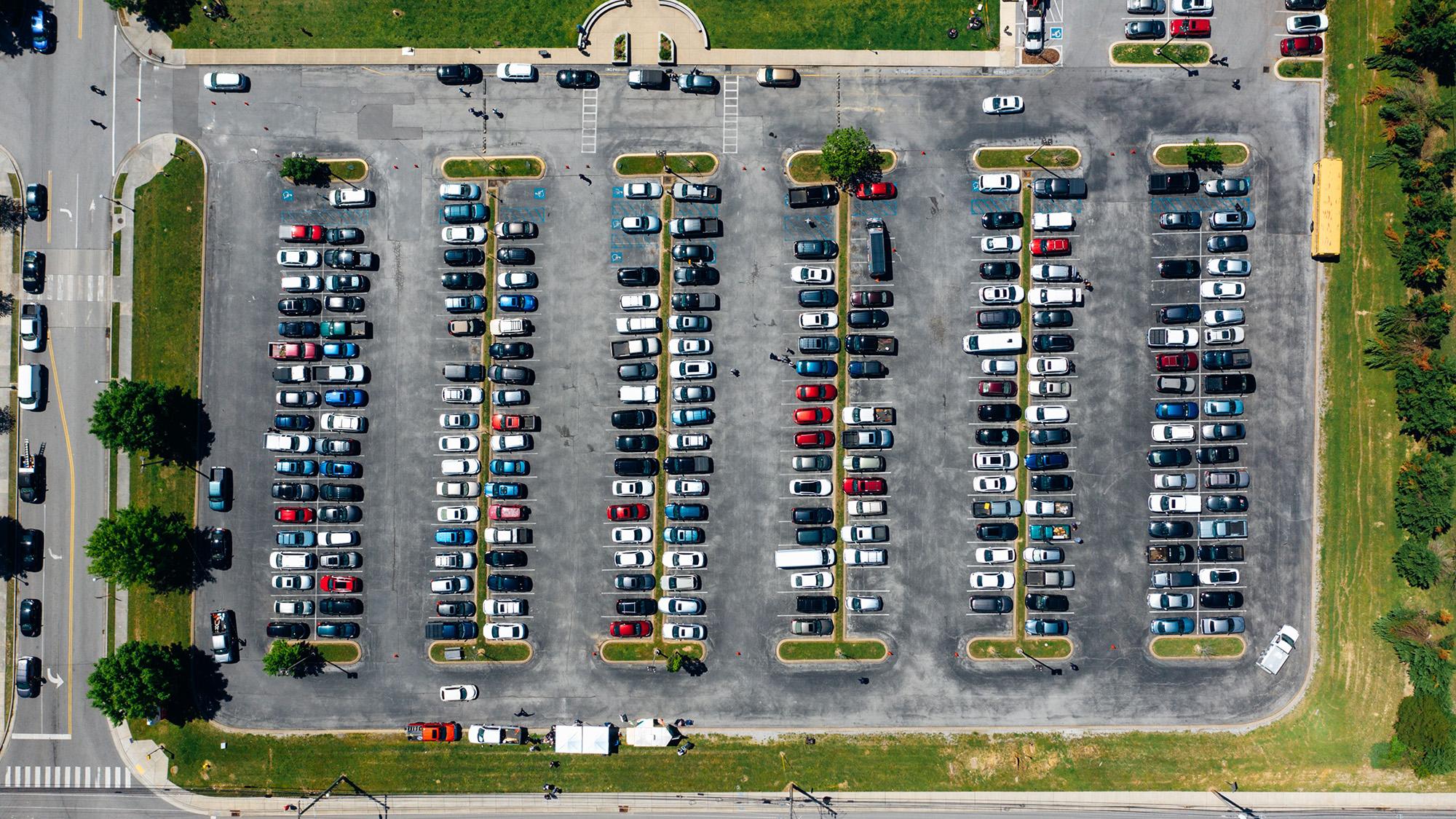
Managing this volume requires an infrastructure capable of:
Complex User Stratification: Instantly differentiating and routing diverse user profiles, such as professors, students, contractors, visitors, and parents, each bound by distinct access rights, schedules, and zone permissions.
Minimizing entry and exit processing times to maintain fluid vehicle movement and prevent traffic spillover into surrounding municipal roads during peak windows.
Eliminating gate bottlenecks during surges, where a single system error instantly creates localized chaos and forces a reliance on slow, manual security interventions.
Real-time lot availability management to prevent drivers from roaming filled zones, which adds internal traffic friction during class changes.
Ensuring all captured vehicle data at entry points aligns not only with campus safety policies but also with increasingly complex privacy regulations.
As institutions transition to ticketless and virtual permits to eliminate bottlenecks and get rid of paper tickets, the vehicle’s identity remains the single transaction key linking vehicle entry to user access rights, revenue collection, and campus security.
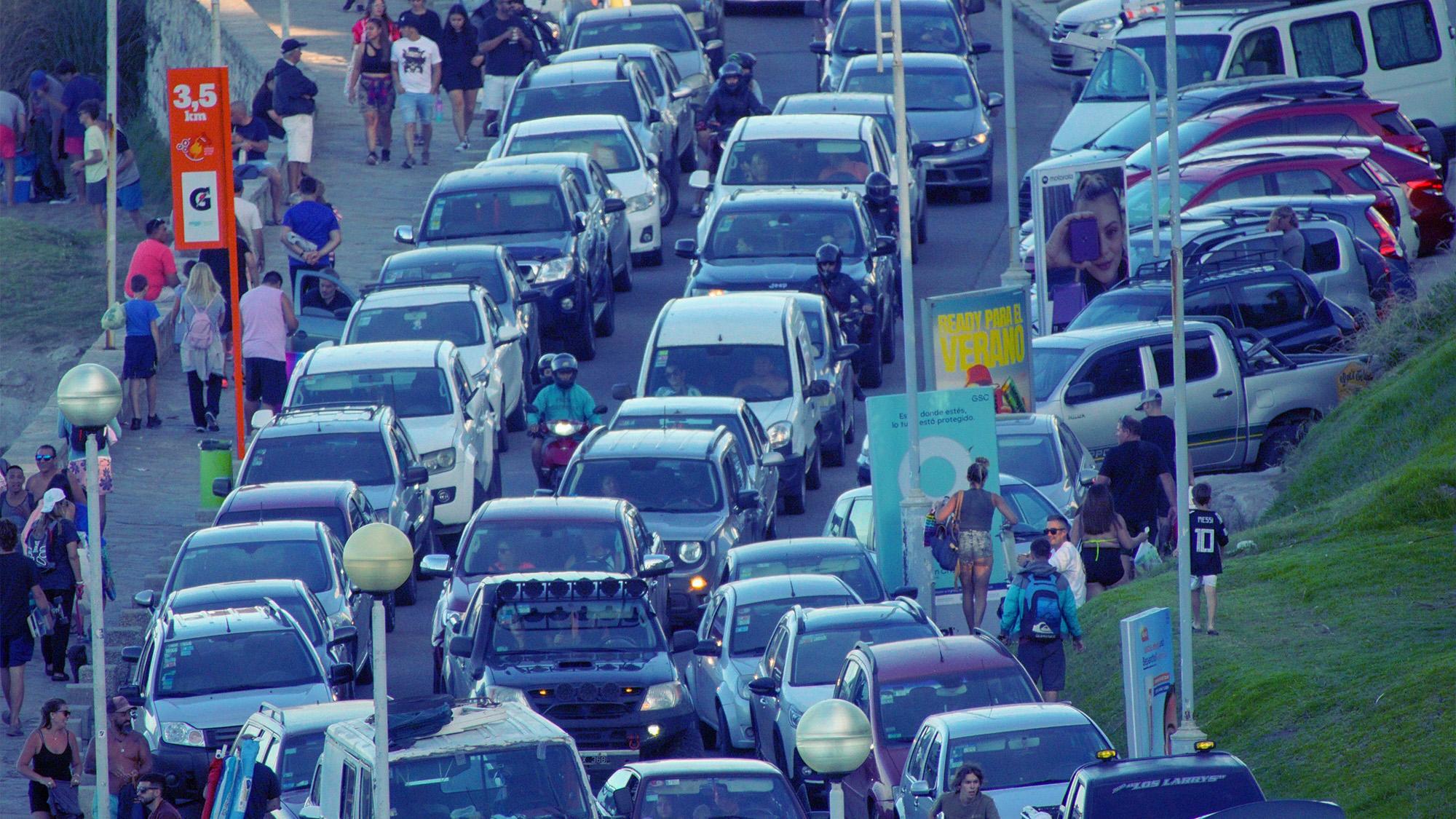
When access control relies entirely on automated identification, any failure in detection immediately triggers a chain reaction: gate delays, localized traffic gridlock on surrounding municipal roads, manual security intervention, and direct revenue leakage. For parking directors, managing these high-stress peak windows requires absolute certainty at entry and exit points.
For modern university parking, License Plate Recognition (LPR) may serve as the operational backbone of virtual permitting by providing the connection between vehicles and users and unlocking frictionless gateless access, and real-time parking enforcement at the high volume levels required by universities.
However, relying entirely on the license plate number as the primary identifier leaves an operational blind spot that directly compromises both revenue and security. On a busy campus, license plates are frequently obscured by mud, dirt, heavy rain, or structural obstructions like trailer hitches and bike racks. Additionally, plate-only architectures are highly vulnerable to intentional manipulation and fraud, such as plate-swapping, where a registered student places an authorized plate onto an unauthorized vehicle to exploit premium parking zones.
When the LPR engine encounters a misread or an unverified mismatch, the automated system stalls, immediately triggering the exact gate exceptions, revenue leakage, and lane congestion that parking directors are trying to avoid.
This is why some LPR providers are transitioning to the next level:
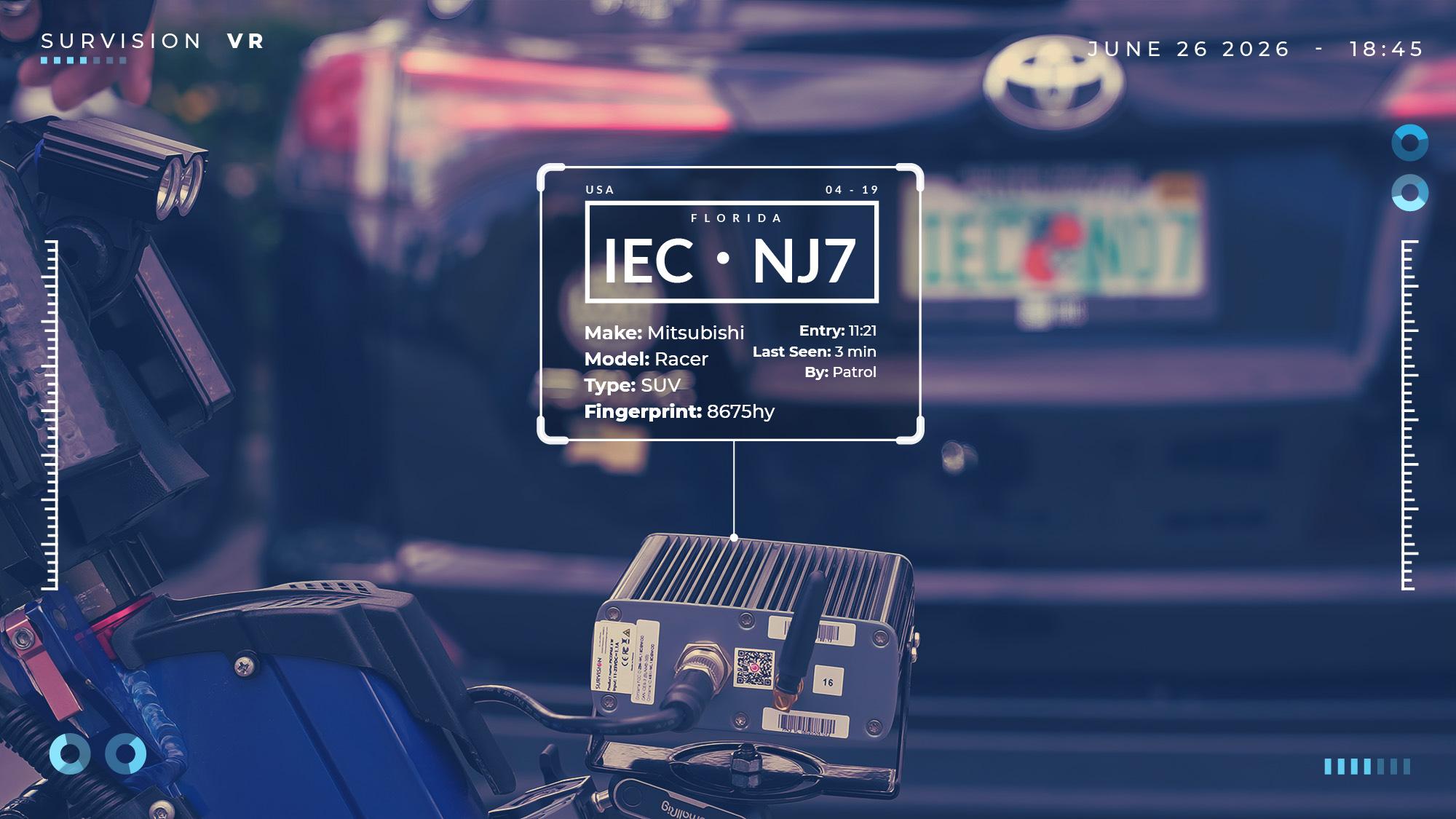
Vehicle Recognition (VR) is an evolution beyond traditional LPR by acting as a validation layer directly on top of it. AI-powered VR algorithms analyze the entire vehicle from the same image captured by the camera, adding Make, Model, Color, Type (MMR) and plate fingerprint to create a whole vehicle profile, all this without requiring new hardware.
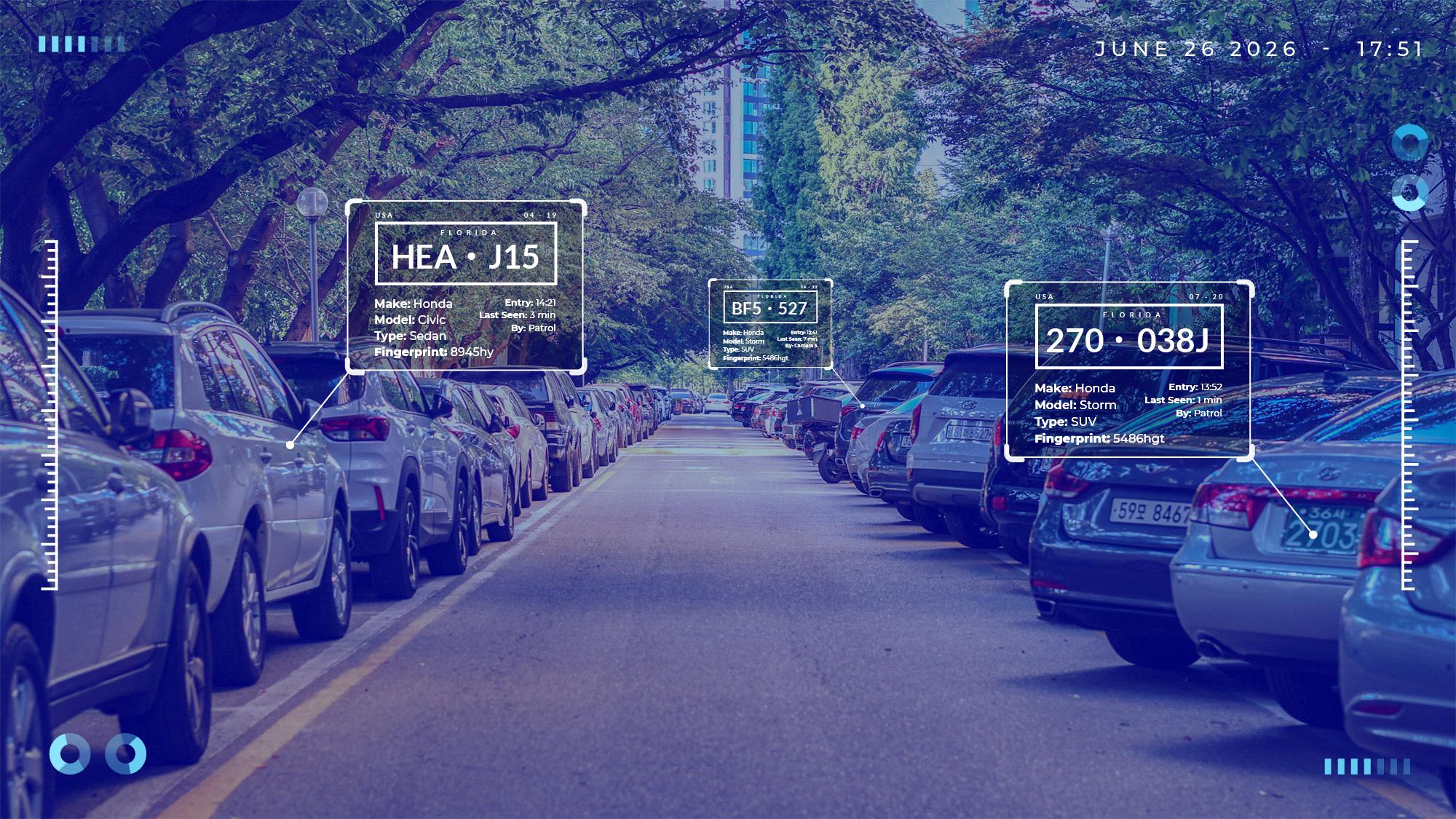
This dual-layer verification directly eliminates the systemic vulnerabilities of plate-only systems, such as misreads, obscured plates, or fraudulent plate swapping.
If, for example, a student attempts a plate-swapping fraud, registering a compact car permit but attaching the plate to an unauthorized SUV, the VR system instantly flags the attribute mismatch at the gate.
Another example: if a plate is heavily obscured by mud or weather conditions, the system does not stall; it cross-references the partial plate characters with the vehicle's visual profile against the university's database to resolve the identity automatically.
For universities and large institutions, this means shifting from a reactive tool that merely opens a gate to a proactive intelligence network that secures, tracks, and optimizes mobility across the entire campus.
University campuses present unique physical and operational complexities that make traditional infrastructure installations highly disruptive. Unlike corporate lots, a campus functions as a small city with traffic of all kinds, leaving virtually no downtime for invasive construction.
Parking departments must operate within tight schedule windows while navigating complex institutional approval chains regarding aesthetics, historical preservation, and campus grounds disruption. To overcome these structural barriers, modern vehicle intelligence must prioritize rapid, non-invasive installation. Cloud-based software architectures eliminate the need for on-site server rooms and heavy IT infrastructure.
This kind of flexibility is vital for handling diverse campus layouts such as remote gravel lots, temporary event routing, and sprawling perimeter structures where fixed infrastructure is cost-prohibitive.
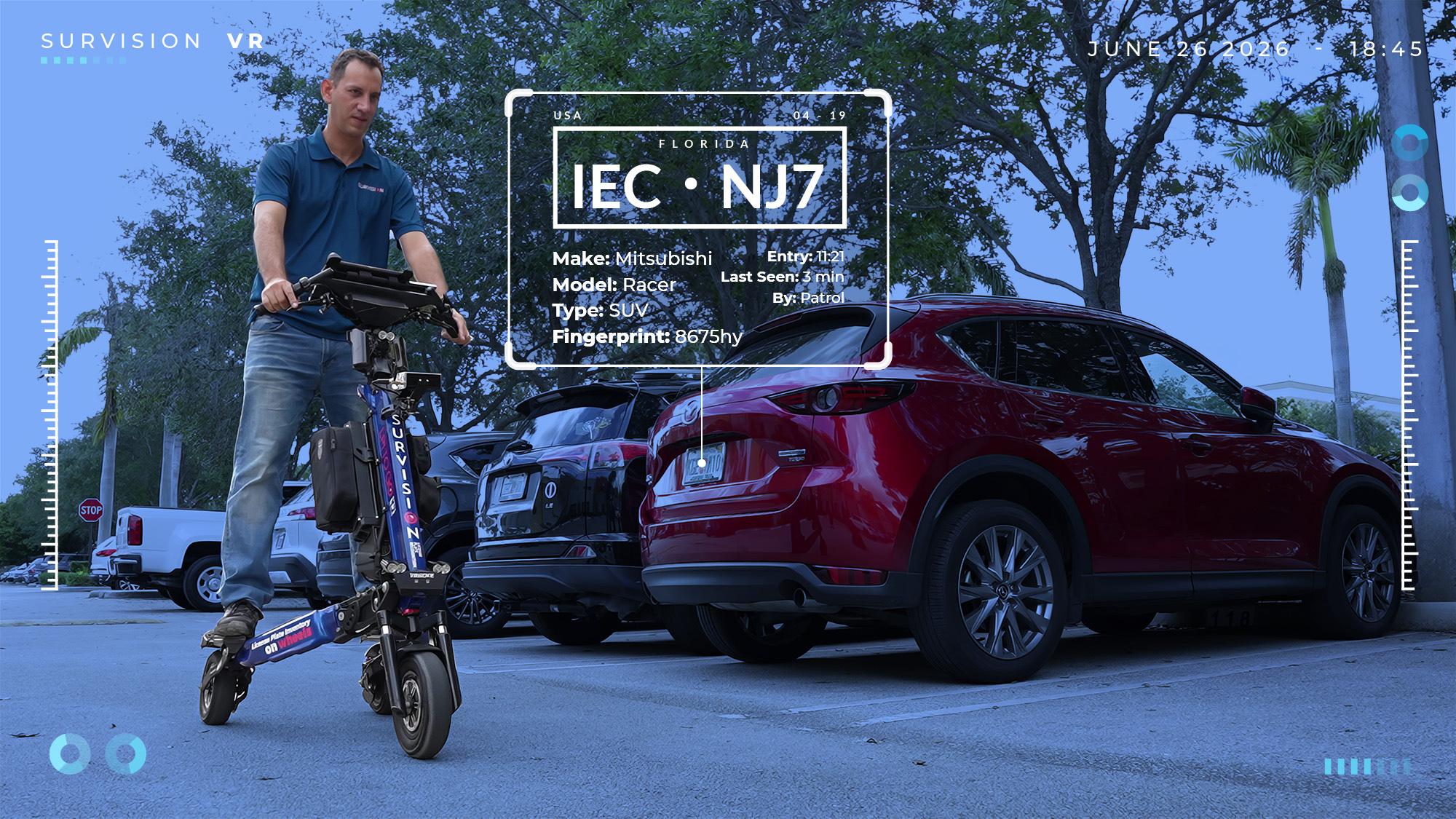
In that matter, solutions such as Survision's Mobile LPR Kit, featuring Picopak LPR camera, address this directly by allowing hardware to be mounted instantly onto flexible vehicles like bicycles or golf carts. This facilitates securing the entire campus without breaking ground or laying a single foot of new cable.
Mobile LPR also allows the configuration of access rules, permits, and enforcement zones through cloud-based enforcement Vehicle Recognition Solutions like Platenforce, which demonstrate that field deployment can be stripped down to just a camera and a 4G-enabled device, running an app.
VR is non-invasive: the transition occurs entirely at the software level, turning every existing compatible device into a network point, feeding an “intelligent layer" on a secure cloud.
The revolution lies no longer in better devices but in how the already collected data is used.
This is a complex challenge for network security professionals. Unlike restricted corporate facilities, campus parking lots and structures are public, high-traffic spaces where physical security is difficult to guarantee. This open architecture creates an immediate endpoint vulnerability: any networked device, such as an external IP camera mounted on a pole, represents a physical entry point.
Without strict authentication controls, an exposed Ethernet port on a perimeter camera could allow malicious actors or curious students to gain unauthorized access directly to the university's internal network.
The modern university IT landscape manages highly sensitive data assets, including student financial records, academic databases, and proprietary scientific research. Universities cannot afford intelligent access control solutions that jeopardize their primary data cores. If the parking infrastructure is not digitally isolated, a single compromised camera could compromise the entire institutional network.
To mitigate these critical infrastructure risks, modern parking technology must enforce enterprise-grade security protocols directly at the hardware layer. This requires edge devices to support network authentication standards that validate every device before granting access to the network, ensuring that tampered hardware is blocked.
Additionally, dividing the infrastructure through secure virtual network segmentation isolates video transmission entirely from administration and student portals. Combined with robust data encryption for all communications and strict firmware password protections, measures like these transform edge cameras from potential network liabilities into hardened, secure endpoints.
Providers like Survision employ encrypted protocols and advanced device cybersecurity directly at the hardware, providing the safeguards needed to support compliance with most privacy regulations.
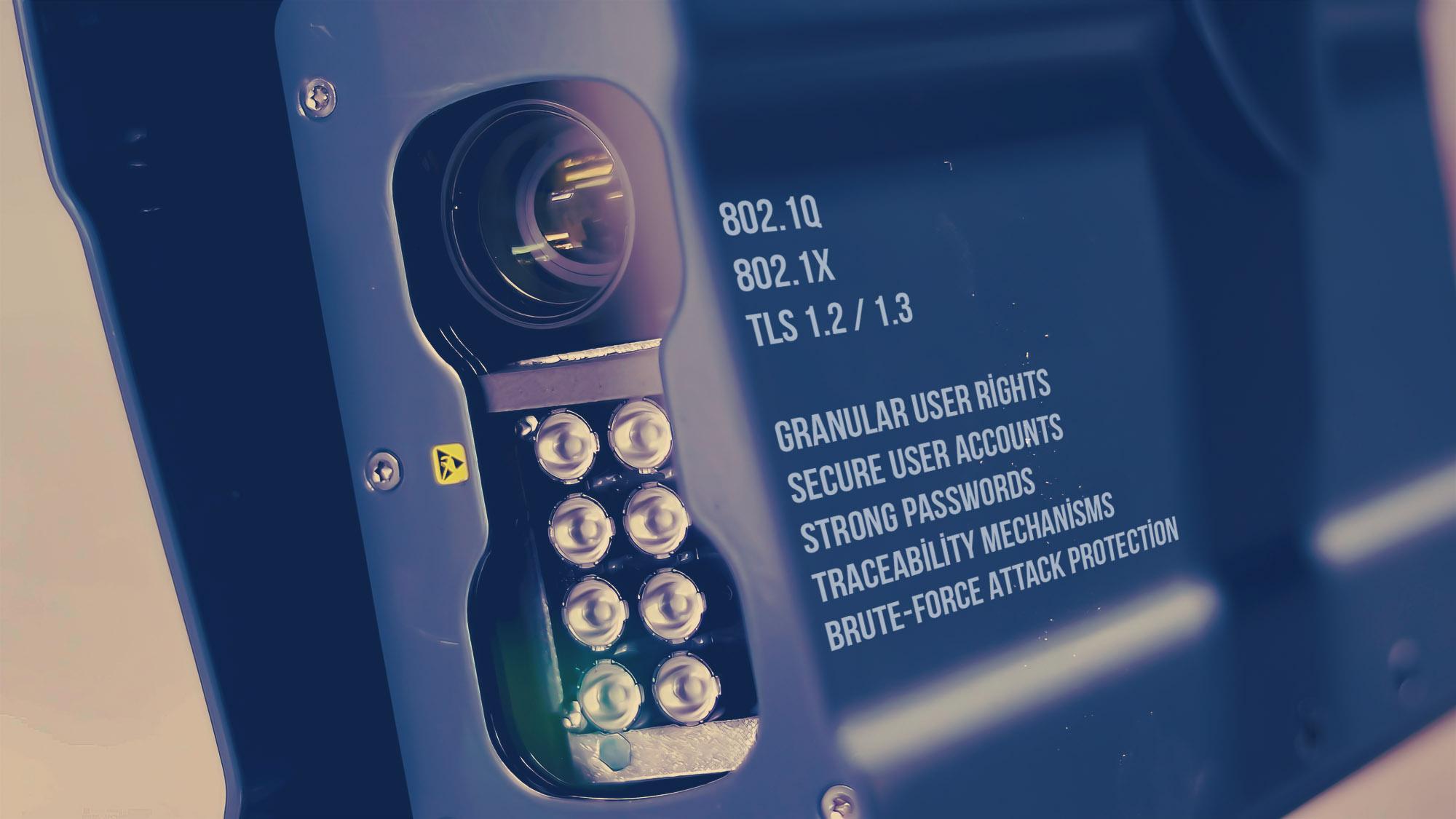
With security as a core value, Survision pairs these security protocols with internal firmware security, including granular user rights management, strong password enforcement policies, traceability mechanisms, and built-in protection against brute-force attacks.
Advanced surveillance technology on a university campus meets strict regulatory and institutional scrutiny. Mishandling data can erode trust and invite legal challenges.
Privacy concerns, such as those raised by the American Civil Liberties Union regarding LPR tracking, warn against the risks of mass location tracking, indiscriminate long-term data retention, and the unregulated sharing of vehicle movement maps, which can retroactively expose the daily routines of private citizens.
Parking directors must also navigate institutional compliance frameworks, such as the Family Educational Rights and Privacy Act (FERPA) or the General Data Protection Regulation (GDPR), which strictly protect student and minor data.
VR systems can help operators address these privacy constraints by:
1. Focusing exclusively on the vehicle itself rather than the occupants, isolating and processing physical attributes like vehicle shape, color, and alphanumeric characters at the edge, ensuring that no personally identifiable biometric data or passenger imagery is stored.
2. Applying automated data hygiene protocols that can enforce strict retention limits, ensuring that non-violating vehicle profiles are automatically purged from the system within a pre-defined window to prevent the accumulation of permanent historical tracking maps.
The modernization of university parking environments requires a strategic shift from fragmented, manual operations to unified, data-driven systems. As high-cyclical peak demand continues to pressure campus infrastructure, relying on isolated LPR systems alone introduces unacceptable risks related to read errors, localized congestion, and sophisticated permit fraud. Layering VR directly onto existing camera networks solves these vulnerabilities by delivering an unalterable, multi-dimensional visual fingerprint of every vehicle.
This transition marks the beginning of a broader transformation in university mobility, from heavy, localized, and separated pieces of hardware to an integrated, agile, infinitely scalable, and dynamic cloud-based infrastructure that integrates parking control with dynamic digital signage, campus mobile applications, and smart city-like traffic policies.
VR systems can turn a university campus into a multimodal, hyper-efficient, and secure sensory ecosystem with unprecedented analytical and predictive capabilities at the service of customer service, security, and revenue, all at once, scalable... and affordable.
High performance LPR camera for the most challenging sites such as very short distances and open angles

More affordable, smaller yet very fast and precise LPR camera, ideal for barrier or totem embedding
The world's smallest LPR camera for security and on-street parking control

Ideal for ITS and Tolling, this powerful camera works at large distances and very high speeds

Compact and affordable LPR camera with 4G connection, designed for Smart city
Despite the country or region, even Vanity Plates!
Lights, protection and connection are integrated into the LPR Cameras
LPR is performed in the LPR cameras firmware
LPR can be triggered by external device or by the license plate itself
Neural networks are used to learn from every plate read and increase performance over time
Up to 155 mph (250 km/h)
The shortest distance (from 5ft!) at the highest accurate reading speed (20ms)
You do not need more than 1 Survision LPR camera to get LPR working
Software tools for system integration or app building

Give us a call; we can help. No question is too big. We love to talk about even the smallest details when it comes to LPR. We've got answers for you. Our expert team is a great resource for information, just a phone call away.