
The University of Houston launched one of the most ambitious parking modernization initiatives in higher education, deploying a large-scale, enterprise parking ecosystem across its Main, Downtown, and Sugar Land campuses. In partnership with PSX, Amano McGann, EDC Corporation (AIMS), Parker Technology, and Survision, the university implemented a future-ready parking infrastructure designed to improve operational efficiency, simplify permit management, and deliver a frictionless parking experience for students, staff, faculty, and visitors.
Like many universities, the University of Houston faced growing operational complexity across its parking ecosystem. Traditional parking environments often rely on disconnected systems for access control, permitting, enforcement, payments, and customer support, leading to:
The university sought a modern solution capable of unifying these workflows without sacrificing flexibility or performance. Rather than adopting a single-vendor “all-in-one” platform, UH pursued a best-in-class approach built on interoperability and open architecture.
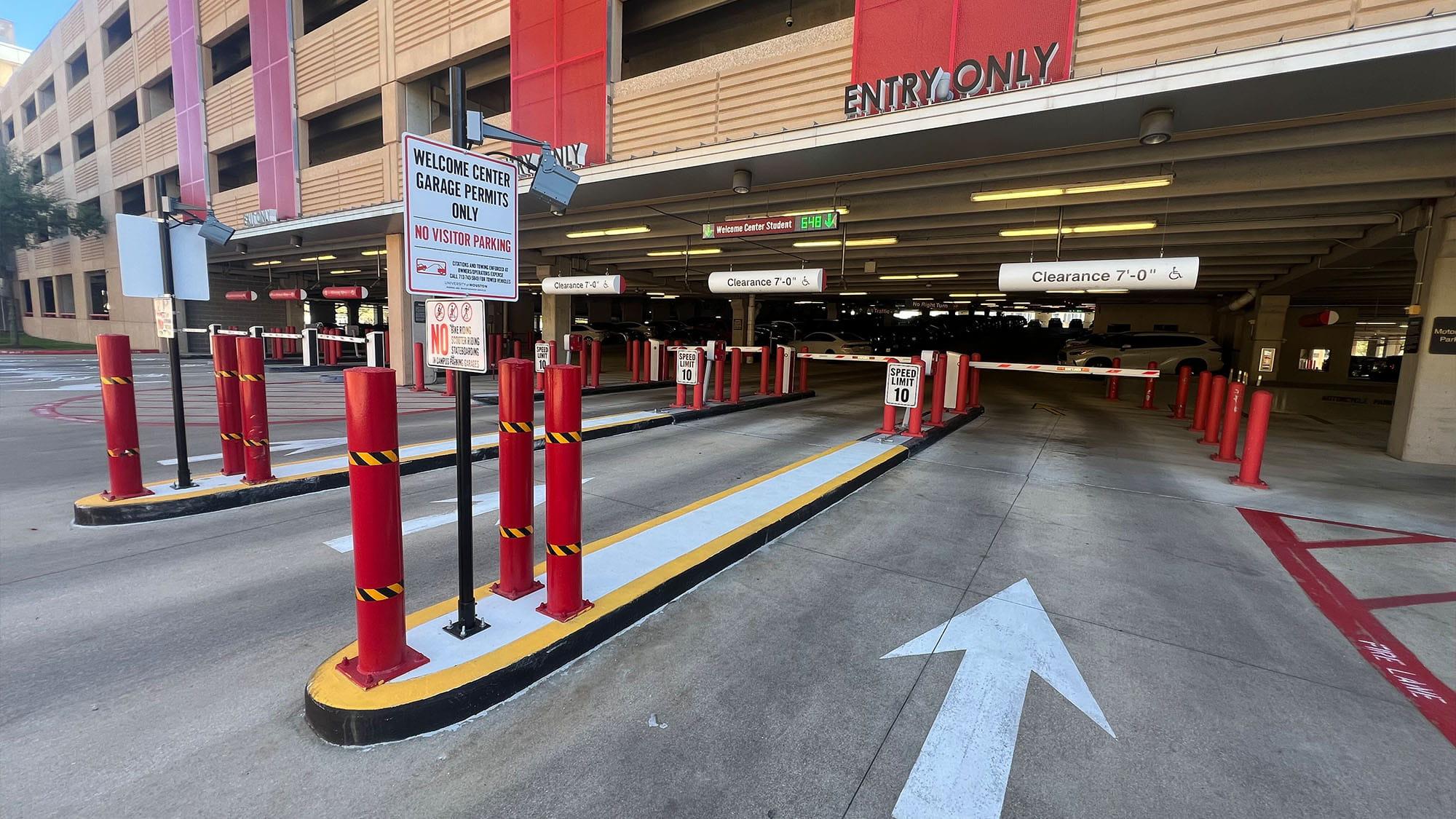
PSX delivered a coordinated deployment of 126 lanes of Amano ONE parking equipment across three campuses on an accelerated timeline aligned with the start of the academic year. The deployment integrated multiple technologies into a single connected parking ecosystem, including:
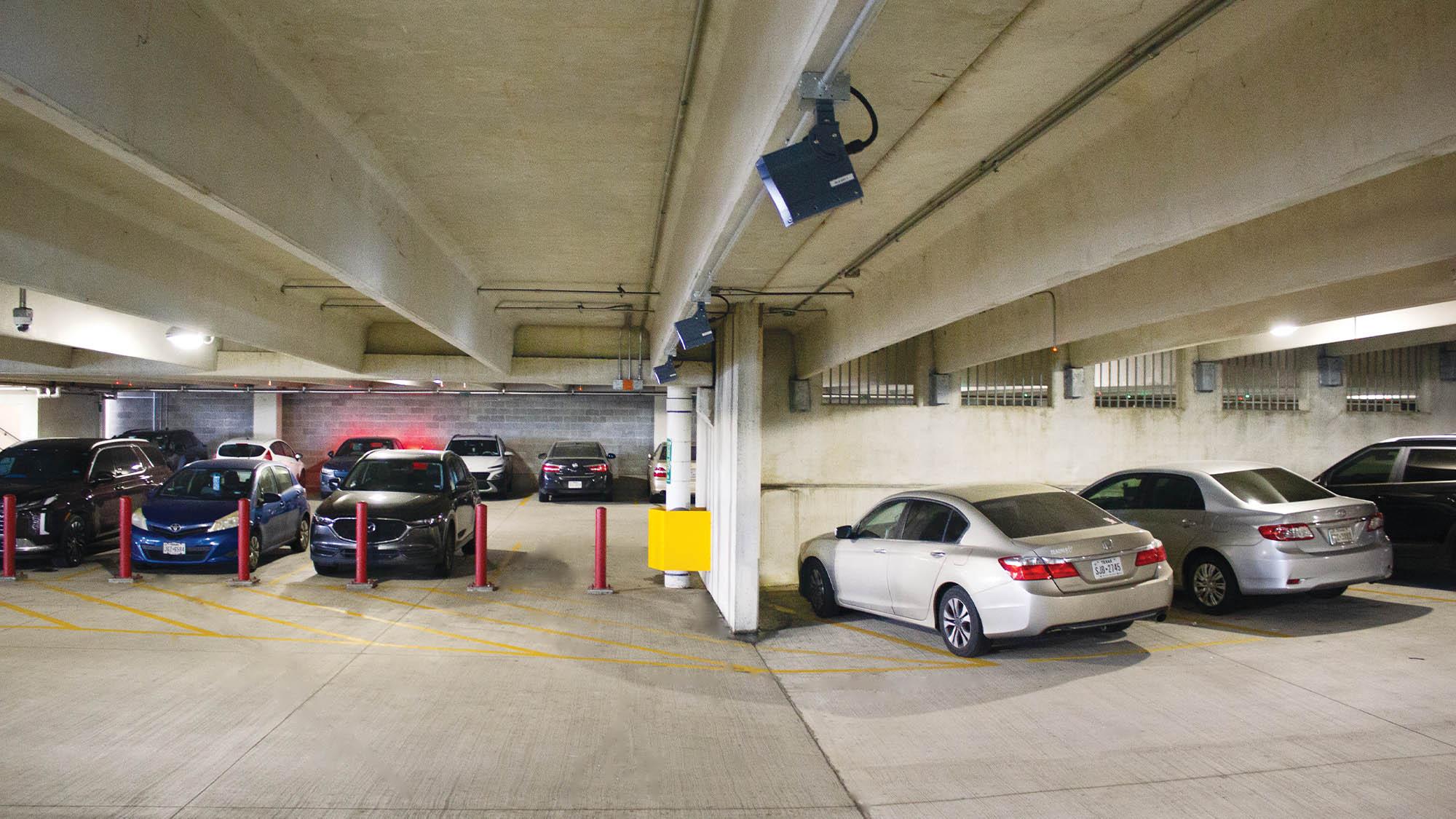
At the center of the deployment, Survision LPR technology enabled automated, credential-less vehicle access across campus parking facilities. By replacing manual verification methods and reducing dependence on physical credentials, the university streamlined entry and exit processes while improving throughput during peak campus traffic periods.
The University of Houston intentionally selected technologies designed for interoperability and long-term adaptability. Amano ONE’s cloud-based, API-driven architecture and AIMS’ flexible integration capabilities allowed the university to combine specialized systems while maintaining centralized operational visibility.
This open-architecture strategy provided UH with:
This deployment also helps the university integrate with additional third-party parking technologies, opening up possibilities for tackling future challenges.
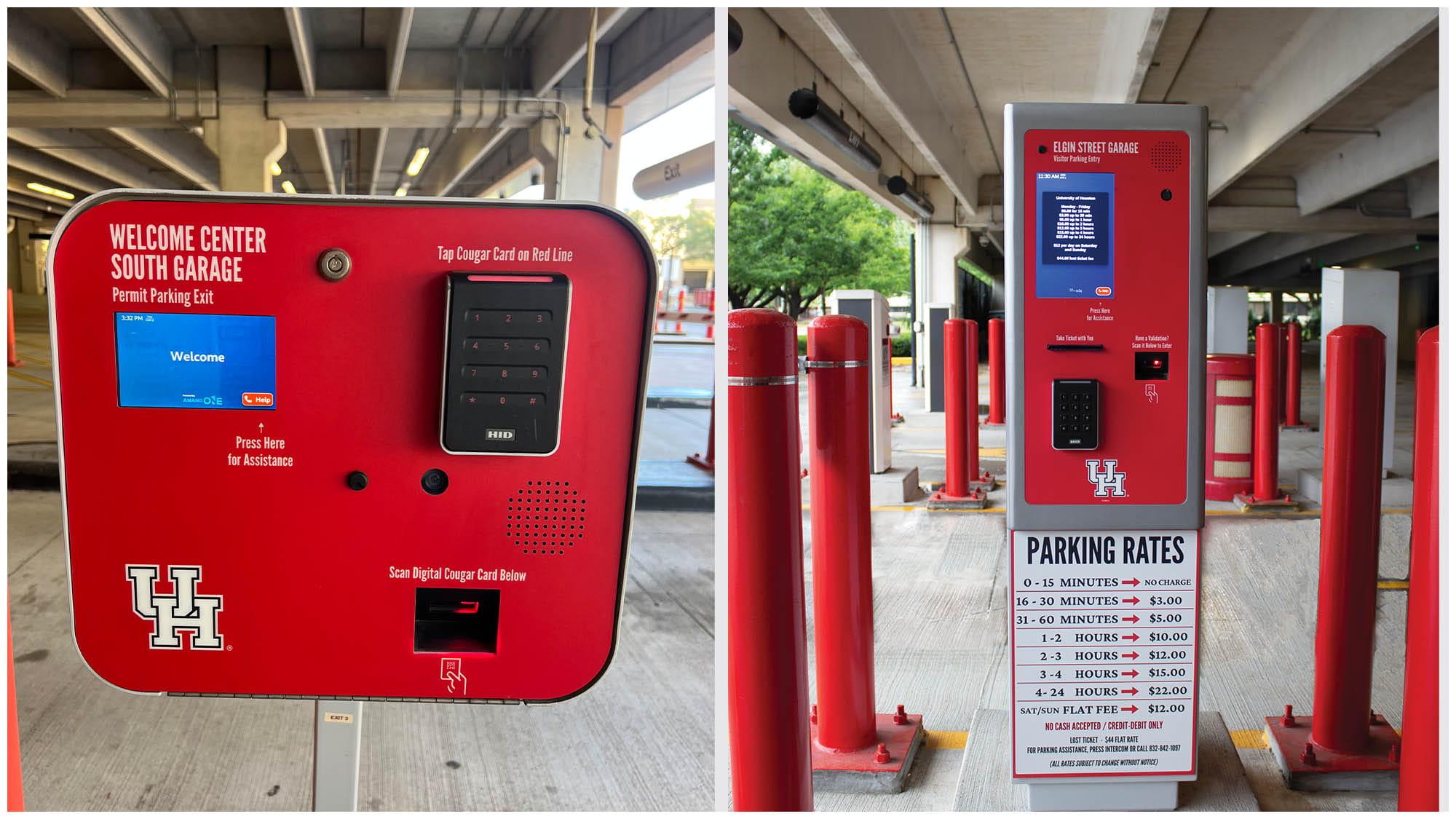
The completed implementation created a scalable, data-driven parking environment that improves both the parker experience and day-to-day operations. Key benefits included:
The University of Houston project demonstrates how higher education institutions can modernize parking operations through integrated, best-in-class technologies rather than rigid single-platform systems. Through collaboration between PSX, Amano McGann, EDC Corporation, Parker Technology, and Survision, the university created a parking infrastructure built for scalability, operational visibility, and long-term innovation.
This project is the winner of the TPTA 2026 Parking Technology and Equipment Award.
Since 1969, PSX has provided advanced parking and security system integration for client facilities nationwide. Operating through nine strategic offices in Philadelphia, Pittsburgh, Cleveland, Tampa, Houston, Denver, New Orleans, Detroit and D.C., the company handles complex project implementation and long-term facility management across diverse sectors.
As Amano McGann's largest and most experienced dealer in North America, PSX delivers complete, turnkey system design and seamless field execution. As a leading U.S.-based manufacturer, Amano McGann specializes in designing and manufacturing premier Parking Access and Revenue Control Systems (PARCS). This partnership allows clients to benefit from streamlined, cloud-based software, alongside integrated mobile payment options and advanced License Plate Recognition (LPR) capabilities.
Website: https://psxgroup.com/
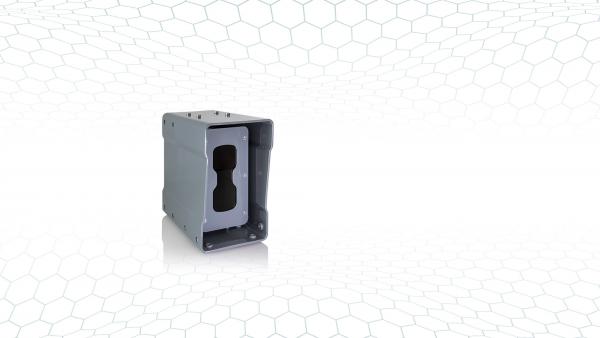
High performance LPR camera for the most challenging sites such as very short distances and open angles

More affordable, smaller yet very fast and precise LPR camera, ideal for barrier or totem embedding
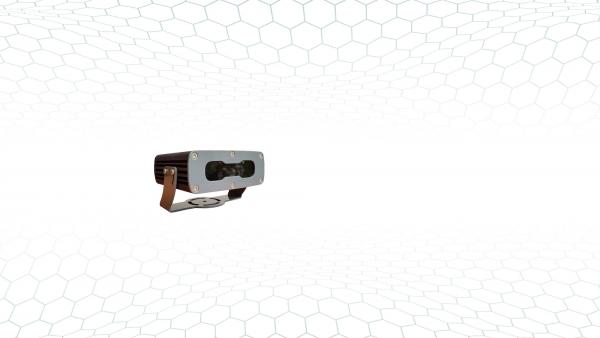
The world's smallest LPR camera for security and on-street parking control

Ideal for ITS and Tolling, this powerful camera works at large distances and very high speeds

Compact and affordable LPR camera with 4G connection, designed for Smart city
Despite the country or region, even Vanity Plates!
Lights, protection and connection are integrated into the LPR Cameras
LPR is performed in the LPR cameras firmware
LPR can be triggered by external device or by the license plate itself
Neural networks are used to learn from every plate read and increase performance over time
Up to 155 mph (250 km/h)
The shortest distance (from 5ft!) at the highest accurate reading speed (20ms)
You do not need more than 1 Survision LPR camera to get LPR working
Software tools for system integration or app building

Give us a call; we can help. No question is too big. We love to talk about even the smallest details when it comes to LPR. We've got answers for you. Our expert team is a great resource for information, just a phone call away.